

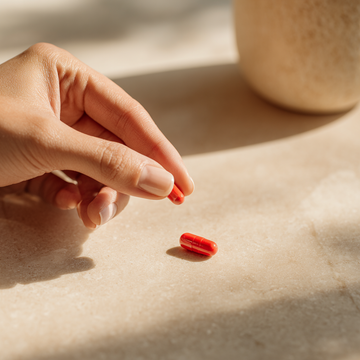
Many health-conscious people wonder if a vitamin B12 overdose is possible, especially if they take supplements or follow a vegan diet. Perhaps you're worried about side effects from too much vitamin B12, or you want to know how to avoid overdosing. This article explains precisely and clearly when a vitamin B12 overdose occurs, what symptoms can occur, what the daily requirement is, whether and when risks exist, and how to take vitamin B12 safely and effectively. Learn what to look for in supplements, how the body processes the vitamin, and how to recognize and avoid side effects early on.
What exactly is vitamin B12?
Vitamin B12, also known as cobalamin, is a water-soluble vitamin and an essential nutrient for the human body. It is crucial for blood formation, cell division, the function of the nervous system, and various metabolic processes. This vitamin can be obtained from animal-based foods such as meat, fish, dairy products, and eggs, but is hardly found in plant-based foods. Therefore, a vitamin B12 deficiency primarily affects vegans, vegetarians, the elderly, and individuals with certain gastrointestinal disorders.
Due to its central role in the body, many people take vitamin B12 supplements in the form of tablets, drops, sprays, or injections. This also raises the question: What happens if you consume too much vitamin B12?
Is it possible to overdose on vitamin B12?
First and foremost, the most important answer: A vitamin B12 overdose through a normal diet is practically impossible. The reason for this lies in metabolism. Your body can not only excrete excess vitamin B12, but it also has a limited capacity to absorb the vitamin from the intestines into the bloodstream. Even with very high intake, the small intestine cells only absorb a small, regulated amount at any given time. The rest is excreted unused.
But what about dietary supplements? The general rule is that even very high doses are currently considered safe, with side effects being rare and usually only occurring with extreme doses or medical injections. Nevertheless, there are exceptions and certain risks, which will be discussed below.
What is the daily requirement for vitamin B12?
According to the German Nutrition Society (DGE), the daily requirement for vitamin B12 for adults is approximately 4 micrograms per day . This requirement may be slightly higher during pregnancy, breastfeeding, and in older adults. Many supplements on the market contain significantly more, often 100, 500, or even 1,000 micrograms per tablet or drops. This is because the absorption capacity of the intestines is limited; high doses are intended to ensure that even in cases of impaired absorption, sufficient amounts reach the body.
Tip:
For daily basic needs, a supplement containing 100 to 250 micrograms is usually sufficient. Higher doses (from 500 µg) should only be taken long-term after consulting a doctor, especially in cases of proven deficiency or absorption problems.

Vitamin B12 overdose symptoms
Even though your body can usually eliminate excess vitamin B12 without problems, there are situations in which side effects or symptoms of overdose occur. These symptoms are rare and mostly harmless, but can become relevant in individual cases or with pre-existing health conditions.
Possible symptoms of a vitamin B12 overdose:
- Mild skin reactions, e.g., redness, itching, or acne-like changes
- Rare: allergic reactions (e.g. hives)
- Headache
- Nervousness, restlessness
- Mild gastrointestinal complaints such as diarrhea
- After high-dose injections: occasional increase in blood pressure or circulatory problems
Scientific studies have not reported any serious side effects in healthy individuals taking up to 1,000 micrograms orally per day over extended periods. At very high doses, especially via injection, hypersensitivity reactions are theoretically possible. People with kidney problems or certain rare tumor diseases should also exercise caution.
How does a vitamin B12 overdose occur?
Vitamin B12 overdose primarily occurs not through a normal diet, but through the intake of high-dose supplements or medications. The following situations are particularly risky:
- Long-term use of very high-dose preparations (from 1,000 µg daily for months/years) without medical supervision.
- Incorrect use of vitamin B12 injections, as this results in large amounts being introduced directly into the bloodstream at once.
- Combination of several preparations (tablets, drops, multivitamins), which makes it easy to lose sight of the total intake.
The following applies: Even though overdoses rarely have critical consequences, you should always use high doses with caution and have your blood levels checked regularly if you are unsure.
Risks and long-term consequences of a vitamin B12 overdose
Studies show that vitamin B12 is very safe and has no toxic effects like vitamins A or D. Nevertheless, there are reports that excessive intake can have effects on the skin, the nervous system, and, in some diseases, on the risk of cancer or kidney function.
What are the risks?
- Increased risk of skin rashes & acne: Some people are sensitive to high amounts.
- Kidney disease: In chronic kidney disease, excess vitamin B12 is excreted more slowly.
- Cancer: Some studies suggest that excessive vitamin B12 intake in patients with existing cancer could have a long-term impact on prognosis. However, definitive conclusions are still lacking.
- Interactions: High-dose vitamin B12 supplements can, in isolated cases, affect the efficacy of certain medications; please consult your doctor if you are taking long-term medication or have chronic illnesses.

How safe is taking vitamin B12 supplements?
Generally speaking, taking vitamin B12 is very safe, as any excess is excreted in the urine. Preparations with low to medium doses are particularly well-suited for daily use. However, you should only use supplements with exceptionally high doses (over 1,000 µg per serving) long-term on the advice of a doctor. When choosing a supplement, look for a reliable dosage, tested quality, and as few additives as possible. If you value high-quality supplements, then feel free to browse our shop .
When is a high dosage appropriate?
Not everyone needs high amounts of vitamin B12. High doses are primarily necessary in cases of proven deficiency, for example in:
- Impaired nutrient absorption in the intestine (e.g., after surgery/in case of stomach problems)
- Strict vegan diet with confirmed B12 deficiency
- Chronic inflammatory bowel diseases
- Elderly people with age-related absorption disorders
If you belong to one of these groups, you should consult your doctor to choose the correct dose and method of administration. Regular monitoring of your blood levels is important to precisely adjust your dosage.
How to avoid a vitamin B12 overdose
To safely prevent a vitamin B12 overdose, you should observe the following:
- Determine your individual needs, for example through a blood test.
- Use dietary supplements wisely: For healthy adults, a daily dose of 100–250 µg is usually sufficient.
- Avoid long-term self-medication with extremely high doses (>500–1,000 µg) without medical supervision.
- Use only one product at a time and check the total dose, even with multivitamin products.
- Choose a product with proven quality and transparent labeling.
A conscious approach to nutrient intake is the best protection against over- or under-dosing. If you are unsure or have a chronic illness, it is always advisable to consult a doctor or nutritionist.

FAQ: Frequently asked questions about vitamin B12 overdose
1. How much vitamin B12 is too much?
Oral doses of up to 1,000 µg daily are considered very safe. Occasional higher amounts are harmless, but long-term use should be medically supervised.
2. What happens in case of an overdose?
Excess vitamin B12 is usually excreted; rarely, mild skin changes, headaches, or gastrointestinal problems may occur.
3. Can I overdose on vitamin B12 through food?
No, a vitamin B12 overdose through a normal, varied diet is practically impossible.
4. Who is particularly at risk for side effects?
People with kidney problems, allergies to active ingredients in B12 supplements, or specific tumor diseases should be especially careful.
5. How do I know if I've taken too much B12?
You rarely notice direct symptoms; possible signs include skin redness, restlessness, or headaches. If in doubt, a blood test can help.
Conclusion: Vitamin B12 overdose
In summary, the risk of vitamin B12 overdose is very low with a normal diet and proper use of supplements. The body can excrete excess vitamin B12, and many people with a deficiency or increased need actually benefit from moderate to higher doses. Nevertheless, you should avoid unnecessarily high doses and the long-term combination of multiple supplements. Most importantly, be mindful: Determine your individual needs, have your blood levels checked regularly, and choose high-quality, reputable products. This way, you're on the safe side and can effectively support your health with vitamin B12.


